
Bariatric Revision Surgery Los Angeles
Bariatric revision surgery is a specialized procedure designed for patients who have undergone a previous weight loss surgery but did not achieve the expected results or experienced complications. While bariatric surgery is highly effective in helping individuals lose significant weight, some may struggle with inadequate weight loss, weight regain, or medical issues such as gastric reflux or surgical complications.
Why Do Patients Need Bariatric Revision Surgery?
Revision surgery aims to correct, modify, or enhance the original procedure to improve outcomes and restore the patient’s weight loss progress. Whether due to an ineffective initial surgery, changes in metabolism, or lifestyle factors, bariatric revision provides a second opportunity for patients to regain control of their health.By addressing these concerns, patients can achieve more sustainable weight loss and improved overall well-being.

Table of Contents
- Bariatric Revision Surgery Los Angeles
- Why Do Patients Need Bariatric Revision Surgery?
- When Does Bariatric Revision Become Necessary?
- Types of Bariatric Revision Procedures
- 1. Gastric Sleeve Revision
- 2. Gastric Bypass Revision
- 3. Lap-Band Revision
- 4- Revisional Endoscopic
- Who is a Good Candidate for Bariatric Revision Surgery?
- Does Insurance Cover Bariatric Revision Surgery?
- What Recovery Time Can You Expect with Revision Surgery?
- What Results Can You Expect from Bariatric Revision Surgery?
- FAQ
- Choosing an Experienced Surgeon for Bariatric Revision
When Does Bariatric Revision Become Necessary?
The reasons for bariatric revision surgery vary widely and can be dependent on the original technique used.
Some patients lose weight following their procedures only to find the scale creeping back up after a few years. Along with the return of obesity, these patients may experience acid reflux or sleep apnea. Bariatric revision surgery can be the answer to defeating obesity and treating obesity-related ailments.
Bariatric revision surgery helps correct ineffective or problematic weight loss procedures. Gastric sleeve revision reduces the stomach further if it's too large, while lap-band revision fixes slippage to restore effectiveness. Some patients need revisions due to anatomical changes or weight regain. Consulting a qualified bariatric surgeon can determine the best option for lasting results.
Types of Bariatric Revision Procedures
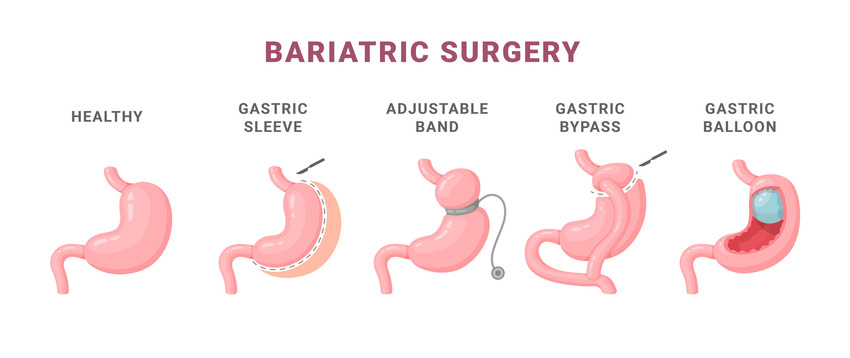
1. Gastric Sleeve Revision
For patients who underwent gastric sleeve surgery (sleeve gastrectomy) but did not achieve sufficient weight loss or experienced weight regain, a revision may be necessary. Options include:
- Sleeve re-tightening – Reducing the stomach size further to improve restriction.
- Conversion to gastric bypass – For patients experiencing severe acid reflux or inadequate weight loss.
2. Gastric Bypass Revision
A Roux-en-Y gastric bypass (RYGB) may require revision if patients experience weight regain, dumping syndrome, or other complications. Common revisions include:
- Stoma resizing – Tightening the connection between the stomach pouch and intestines to enhance restriction.
- Conversion to a duodenal switch – Providing greater malabsorption for improved weight loss.
3. Lap-Band Revision
The lap-band (gastric banding) procedure can sometimes lead to issues such as slippage, erosion, or insufficient weight loss. Revision options include:
- Band adjustment or removal – If the band is ineffective or causing discomfort.
- Conversion to a gastric sleeve or gastric bypass – Offering a more effective and permanent weight loss solution.
4- Revisional Endoscopic
For patients who prefer a non-surgical approach, certain endoscopic techniques can provide effective revisions, such as:
- Endoscopic sleeve gastroplasty (ESG) – Tightening the stomach through minimally invasive suturing.
- TORe (Transoral Outlet Reduction) – Reducing the stomach outlet size in gastric bypass patients who experience weight regain.
Who is a Good Candidate for Bariatric Revision Surgery?
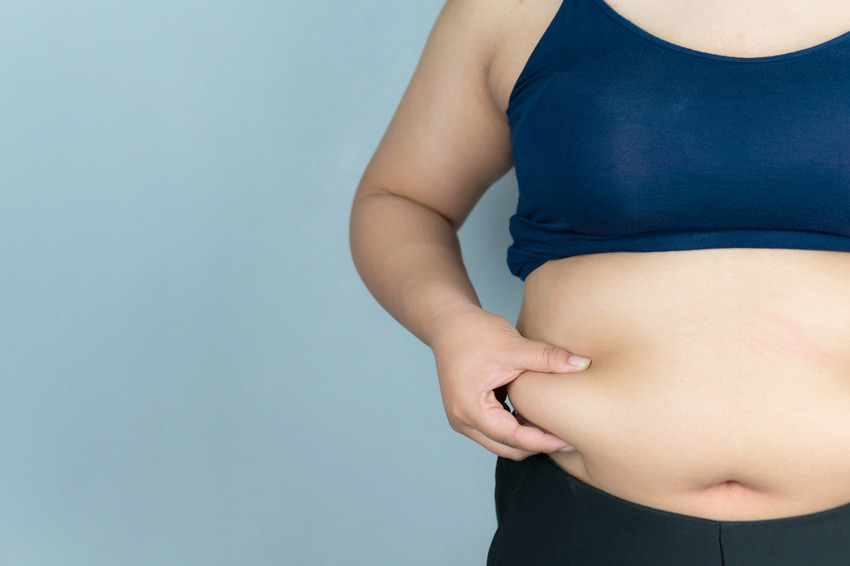
Weight loss surgeons look for specific criteria when gauging a patient’s candidacy for revision surgery. If you underwent bariatrics in the past and yet your BMI has increased back up to the 35 to 40 range, revision surgery should be considered.
Your surgeon may recommend that your sleeve gastrectomy (gastric sleeve) be altered or converted to a gastric bypass. Regardless of the technique used, bariatric revision surgery can get you back on track to experiencing the weight loss you expect.
Does Insurance Cover Bariatric Revision Surgery?
Health insurance providers have different requirements for revision surgery. Insurers will usually cover bariatric revisions if they involve weight regain following the lap-band, sleeve gastrectomy, or gastric bypass. Check your policy or call your insurance company to determine if revision surgery is reimbursed by insurance.
What Recovery Time Can You Expect with Revision Surgery?
Take the time it took you to recover from your first procedure and add a couple of days. This is about how long you can expect to heal after revision surgery. Your surgeon might have to deal with scar tissue and an altered blood supply. These complications can extend your recovery time. Your surgeon may also require you to stay in the hospital for a few days. Overall, you can expect to resume your normal schedule within one to two weeks.
What Results Can You Expect from Bariatric Revision Surgery?
Bariatric revisions often have good outcomes. Whether the original failure was due to genetics, environment, food choices, life stresses, behavioral patterns, or a mistake made by the original surgeon, your revision surgeon’s first aim is to address those factors. Revision surgery will have a better likelihood of succeeding once those issues are identified and cared for.

FAQ
Choosing an Experienced Surgeon for Bariatric Revision
You can increase your chances of success even more by choosing an experienced bariatric surgeon for your revision surgery. Determine if you are a good candidate for bariatric revision by scheduling a virtual consultation with Dr. Moeinolmolki at Healthy Life Bariatrics. Call (310)-861-4093.