



Dr. Moein—is a board-certified bariatric and cosmetic surgeon dedicated to guiding patients toward better health, enhanced confidence, and a more fulfilling life. By combining advanced weight loss procedures and medications with expert body contouring techniques, Dr. Moein helps individuals achieve their ideal shape and experience a true personal transformation.
Renowned for his warm demeanor and commitment to education, Dr. Moein actively contributes to leading patient education forums and serves as teaching faculty at CSHS Medical School. Beyond his thriving Los Angeles practice, he generously supports charitable organizations including HELPS International, and provides substantial discounts to clients in need. A devoted husband and father, Dr. Moein approaches every patient’s journey with genuine care, compassion, and integrity.


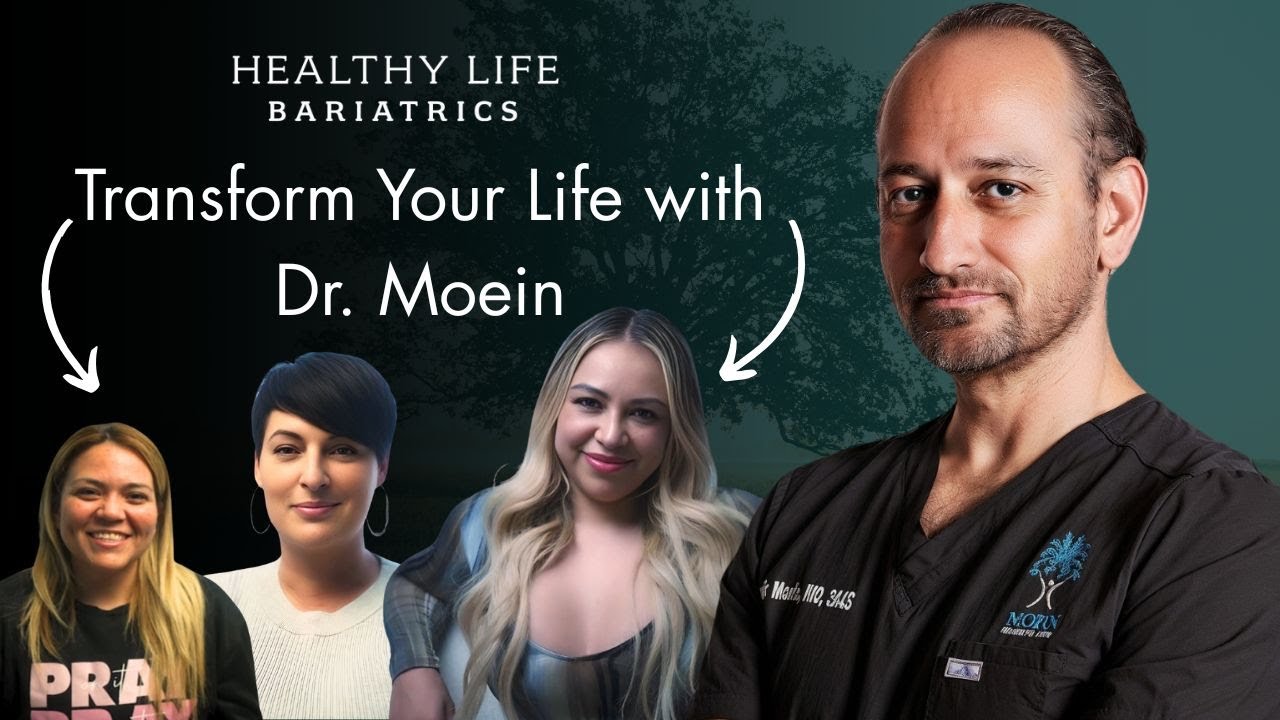
During a personalized consultation with Dr. Moein, you'll receive expert guidance on the best options to help you achieve your weight loss goals. Drawing on his extensive experience, Dr. Moein will walk you through evidence-based treatments, including medication and surgical options, all tailored to your individual needs and situation. Forget one-size-fits-all solutions—embrace a weight loss strategy that is uniquely designed for you.
During your consultation, weight loss surgeon Dr. Moein will arm you with a wealth of knowledge about the science behind weight loss, helping you understand the factors that impact your body and the mechanisms that drive successful long-term weight management. With this understanding, you can make informed decisions and establish a solid foundation for your transformative journey.
Your consultation with Dr. Moein offers more than just medical advice—it's an opportunity to meet the caring professional who will be your partner in achieving and maintaining your weight loss goals. Dr. Moein's compassionate approach ensures you feel heard, supported, and empowered throughout your weight loss journey. Together, you'll create a personalized plan that addresses and helps you overcome your unique challenges.
Trust your journey to the expertise of Dr. Moein—a leading bariatric surgeon who understands your challenges and is committed to guiding you toward a healthier future. Don't wait another day to take control of your weight and your life. Schedule your consultation now and embrace the transformation that awaits you.



It’s been almost 2 years and I’m STILL PLEASED with the result of my gastric sleeve surgery. I’ve regained my confidence and so far very content and excited with life along with my wife. I highly recommend!

BERNIE ARVISO
Weight loss surgery Los Angeles (Bariatric surgery) is considered a restrictive surgery, which limits the amount of food you are allowed to eat. Inquire about...
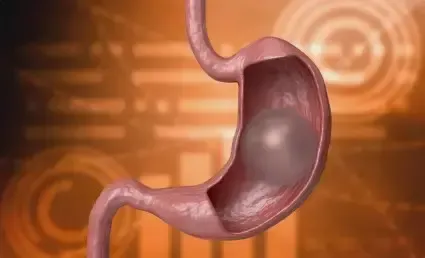
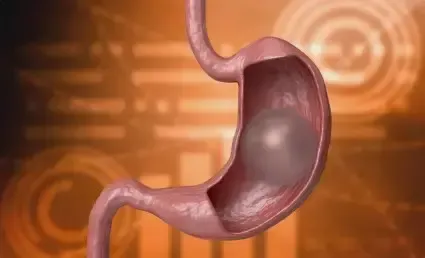
This weight loss surgery can help you lose massive amounts of weight in the long-term. By inflating a balloon device inside your stomach, you are restricted by how much you can eat. This helps you lose a healthy amount of weight fast.
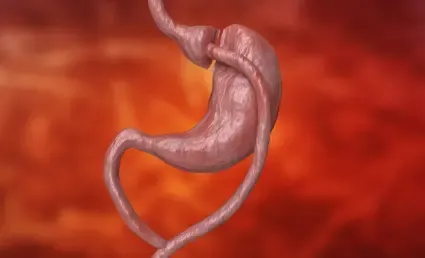
Gastric bypass surgery can help you achieve a healthy weight when your body mass index (BMI) is at elevated levels. Ask weight loss surgeon Dr. Moein about this bariatric surgery (weight loss surgery), which is considered the industry's gold standard.
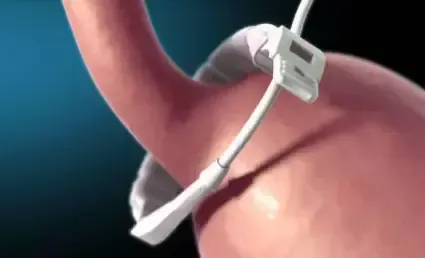
The Lap Band is a laparoscopic adjustable gastric band device that constricts your stomach, leaving a smaller space behind. This helps you lose weight quickly and in the long...
In some cases, patients may need bariatric revision surgery. This is usually recommended when weight loss slows down or when there is a regain of weight after the initial surgery.
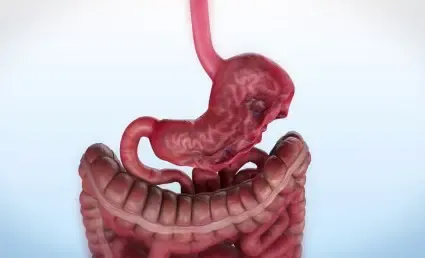
Endoscopic Sleeve Gastroplasty (ESG) is a minimally invasive weight loss procedure where a flexible tube with a camera is inserted into the stomach. It's an effective...
| Alternation of small intenstines | |||||
| Reversible | |||||
| Weight loss 1 yr (% excess weight loss) | 60-80% | 40-50% | 70-80% | 25-30% | 40-50% |
| Remission of diabetes mellitus type 2 | Up to 60% | 80% | |||
| Duration of Procedure | 30-40 min | 90 min | 2-3 hrs | 15 min | 30 min |
| Hospital Stay | 24-48 hrs |
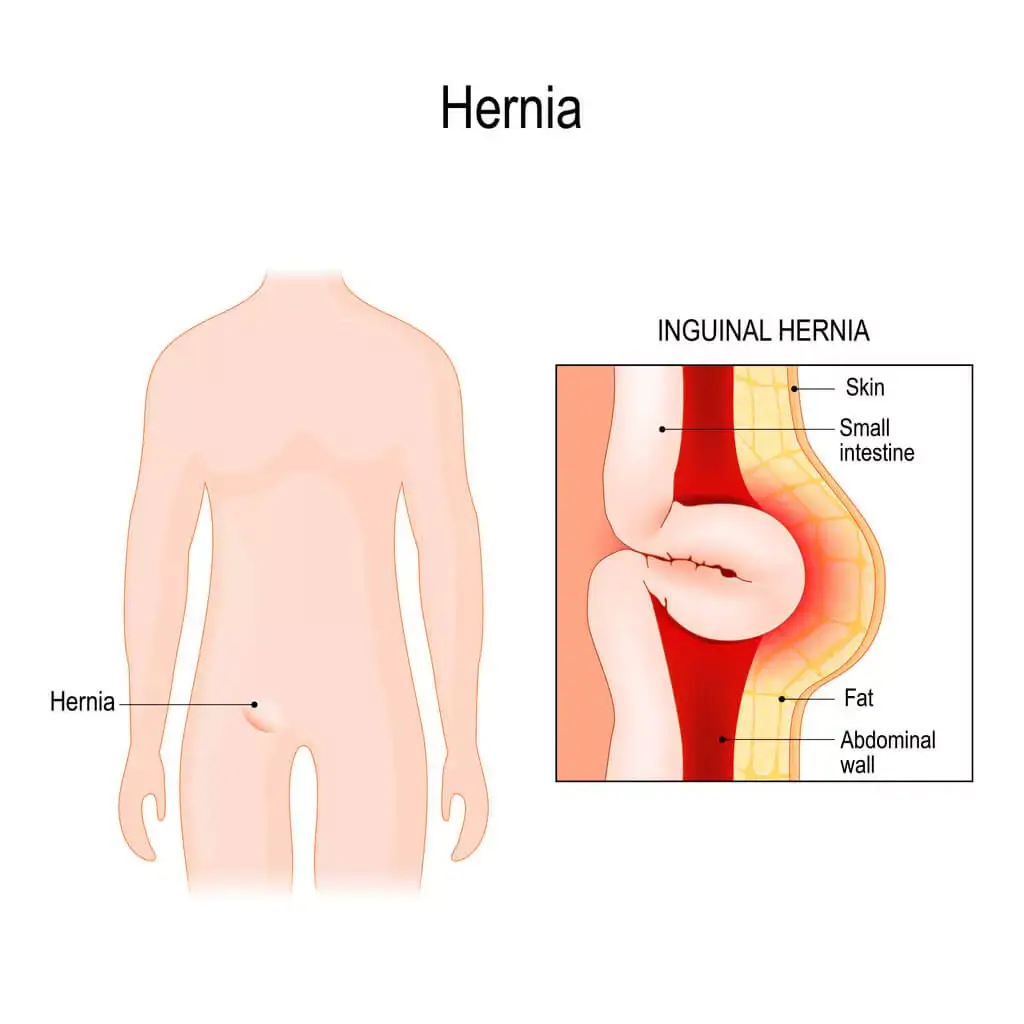
Hernia surgery fixes the weakened spot in your abdominal wall where organs or fatty tissue have been allowed to protrude through. The common age of a hernia suffer is 75 to 80 years old. Hernia surgery is used to repair ventral, hiatal, and femoral hernias laparoscopically.
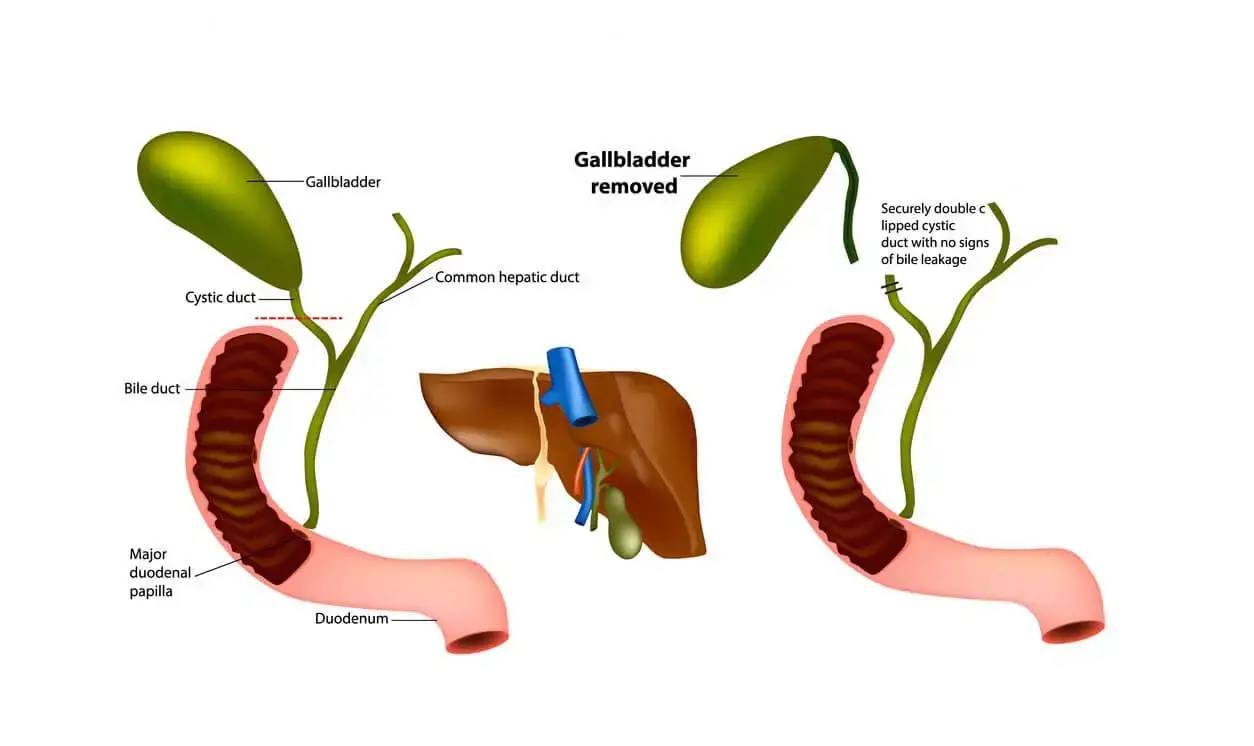
Inflammation of the gallbladder is known as acute cholecystitis. If left untreated, this condition can cause serious problems. Treatment is available through a procedure known as acute cholecystitis surgery. The laparoscopic procedure can alleviate symptoms with small incisions and little downtime.
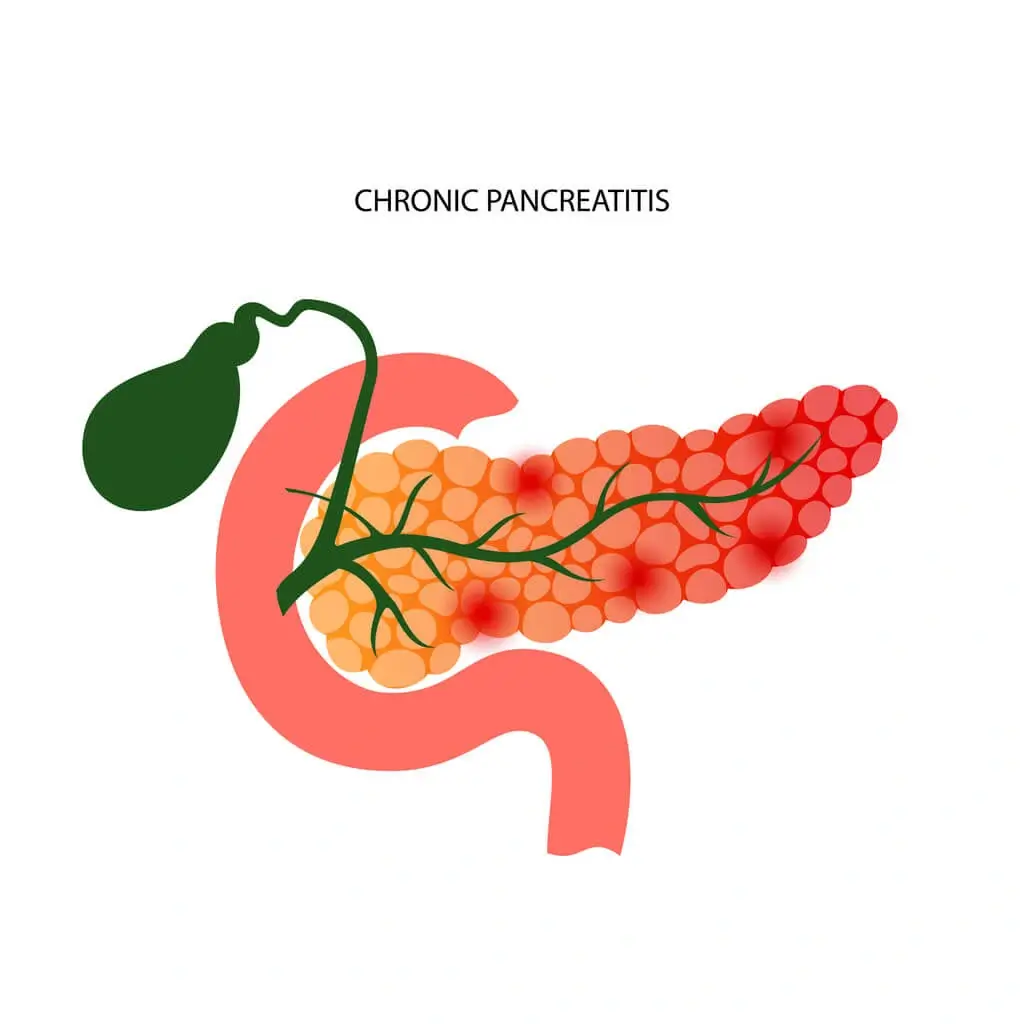
Acalculous cholecystitis is a disease of the gallbladder that is associated with high rates of morbidity and mortality rates. Acalculous cholecystitis surgery can involve the placement of a stent between the gallbladder and the lower intestine or cholecystectomy, which is complete gallbladder removal if the patient can tolerate surgery.
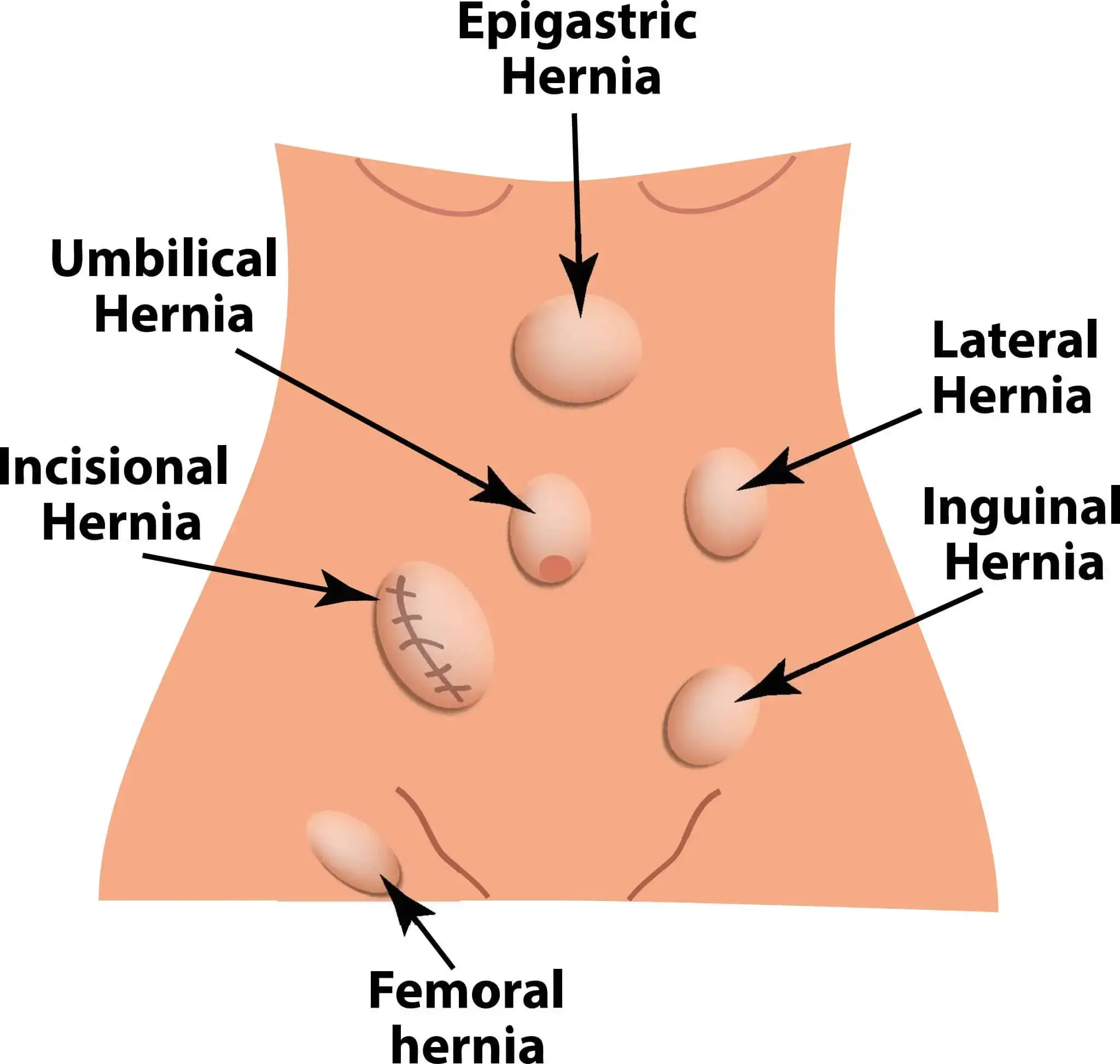
Epigastric hernias are diagnosed when organ and fatty tissue push through the abdominal wall at the same time. You may not show symptoms when this happens, and many cases go undiagnosed. Epigastric hernia surgery repairs the weakened abdominal muscles to prevent future epigastric hernias from occurring.
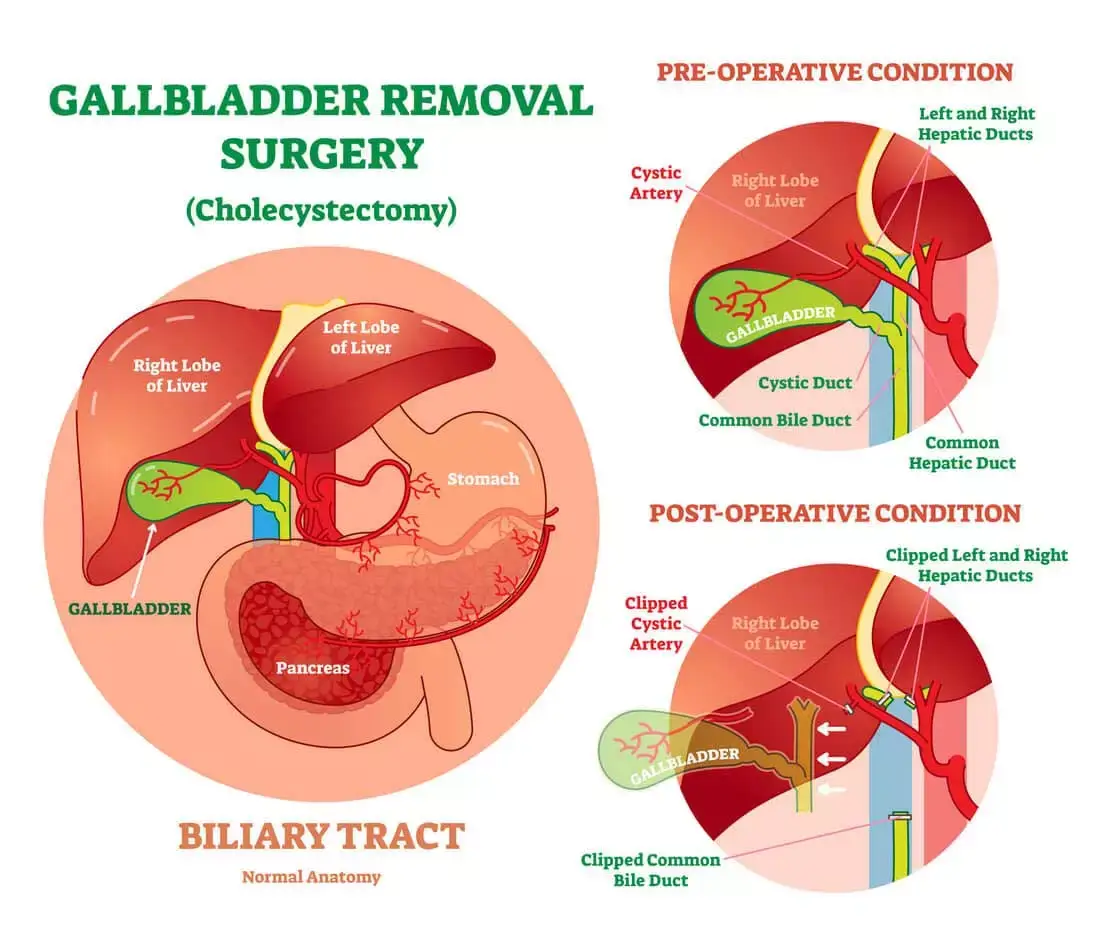
80% of people who experience gall stones will eventually require this procedure. Otherwise known as a laparoscopic cholecystectomy, the gallbladder is removed laparoscopically, which requires small incisions and less downtime than more “open” surgeries. The procedure can alleviate discomfort.
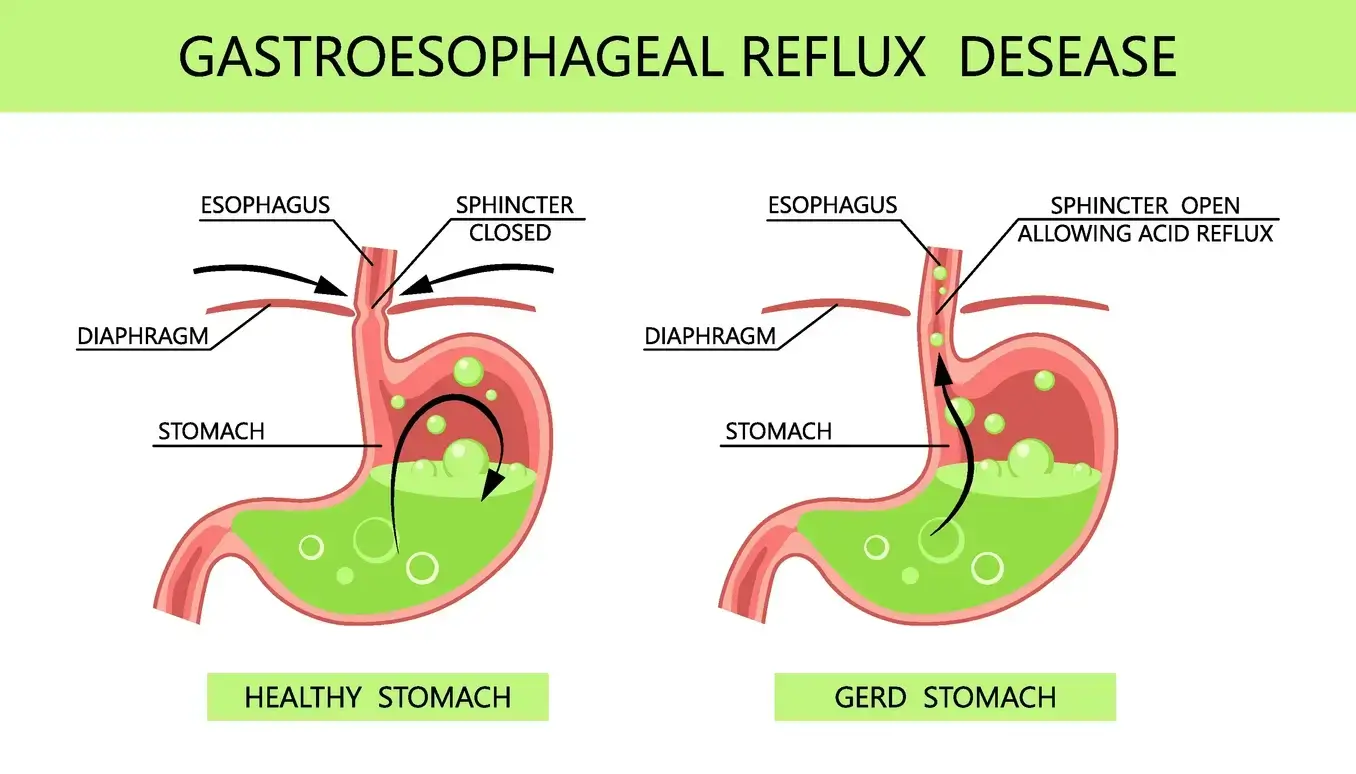
GERD (Gastroesophageal reflux disease) is a digestive disorder that can sometimes be treated with over-the-counter and prescription medications. In severe cases, general surgery is the recommended treatment.
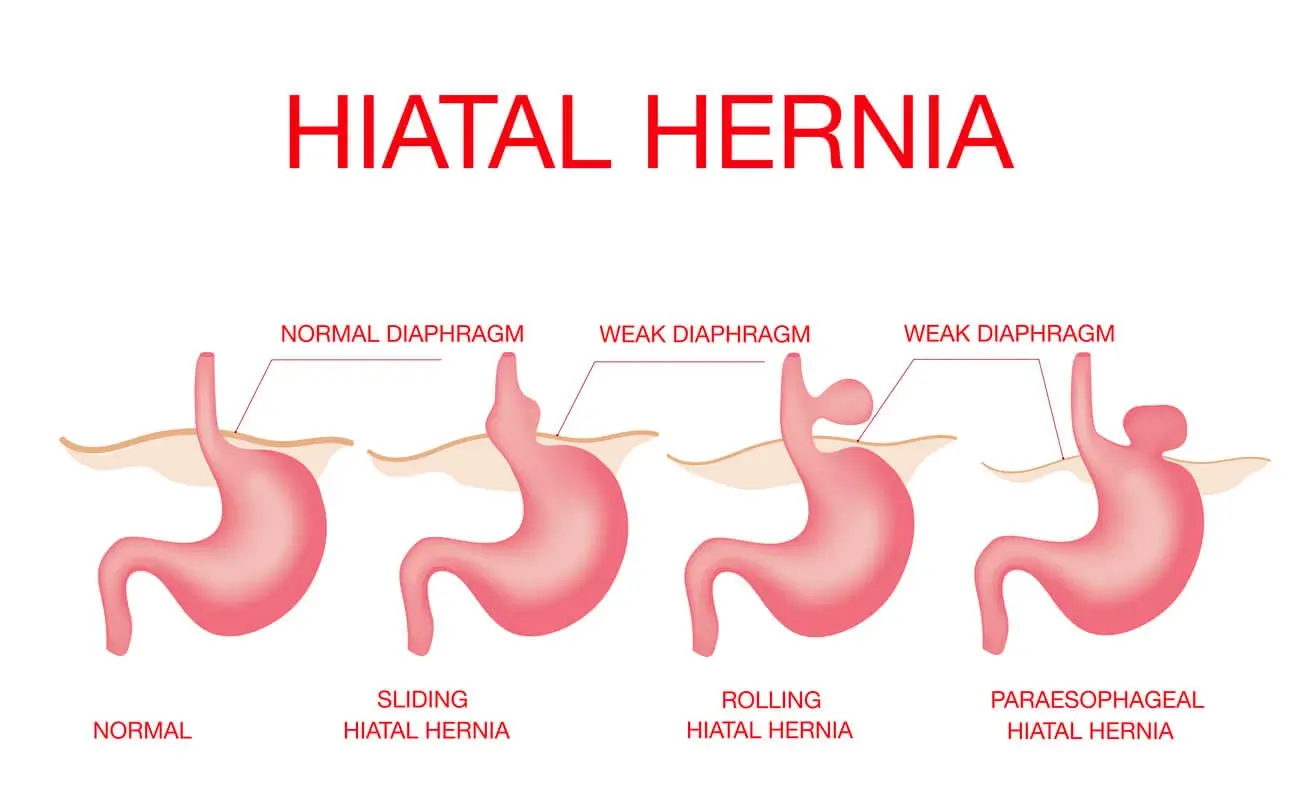
Being diagnosed with a hiatal hernia means your stomach has come to protrude through your upper chest area. Hiatal hernia surgery aims to restore the stomach to its former location and repair the hole in the abdominal wall. Hernia surgery is common and can alleviate symptoms including acid reflux.
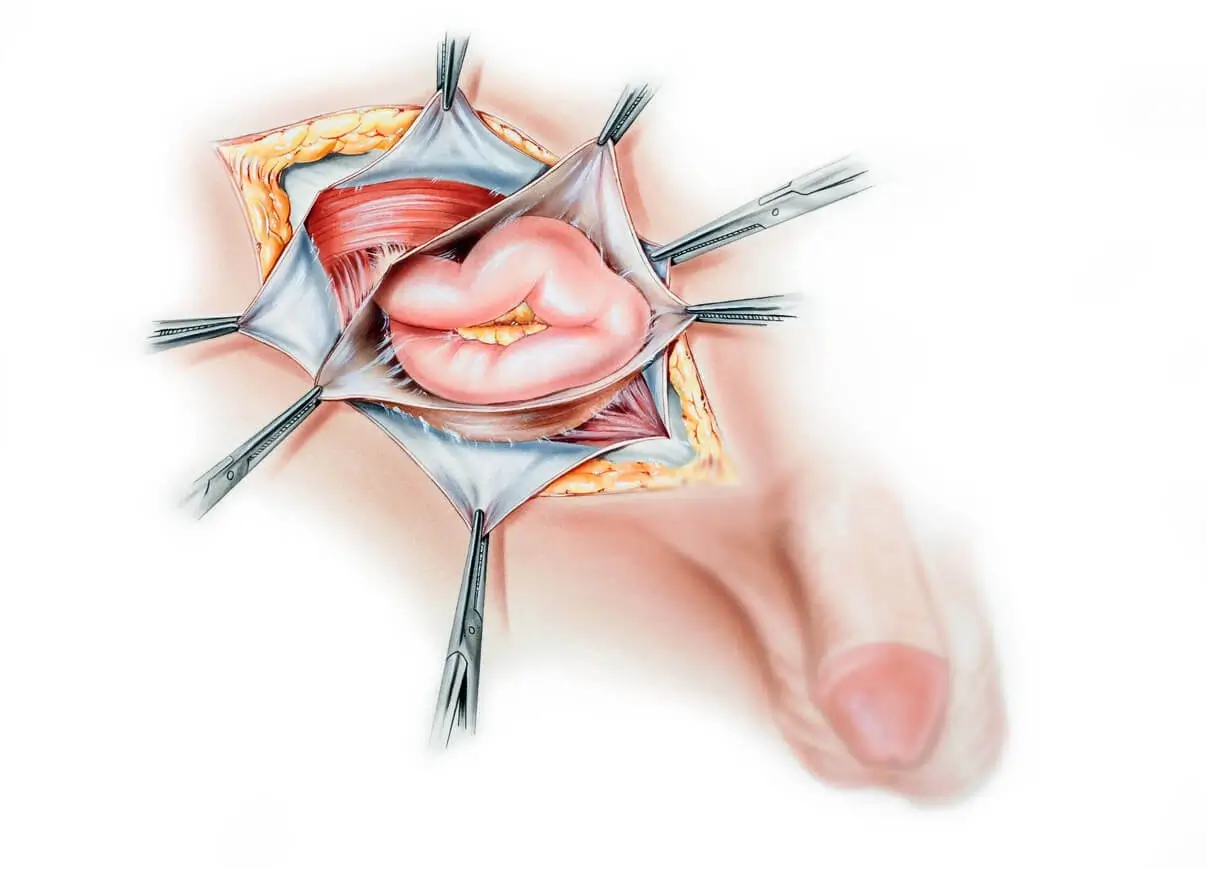
An inguinal hernia is characterized by organ or fatty tissue protruding through a weakened spot in the abdominal wall. Most people form a bulge in their abdomen, especially when lifting heavy objects. Not everyone feels pain with this type of hernia. Inguinal hernia surgery can provide relief and help you avoid future recurrence.
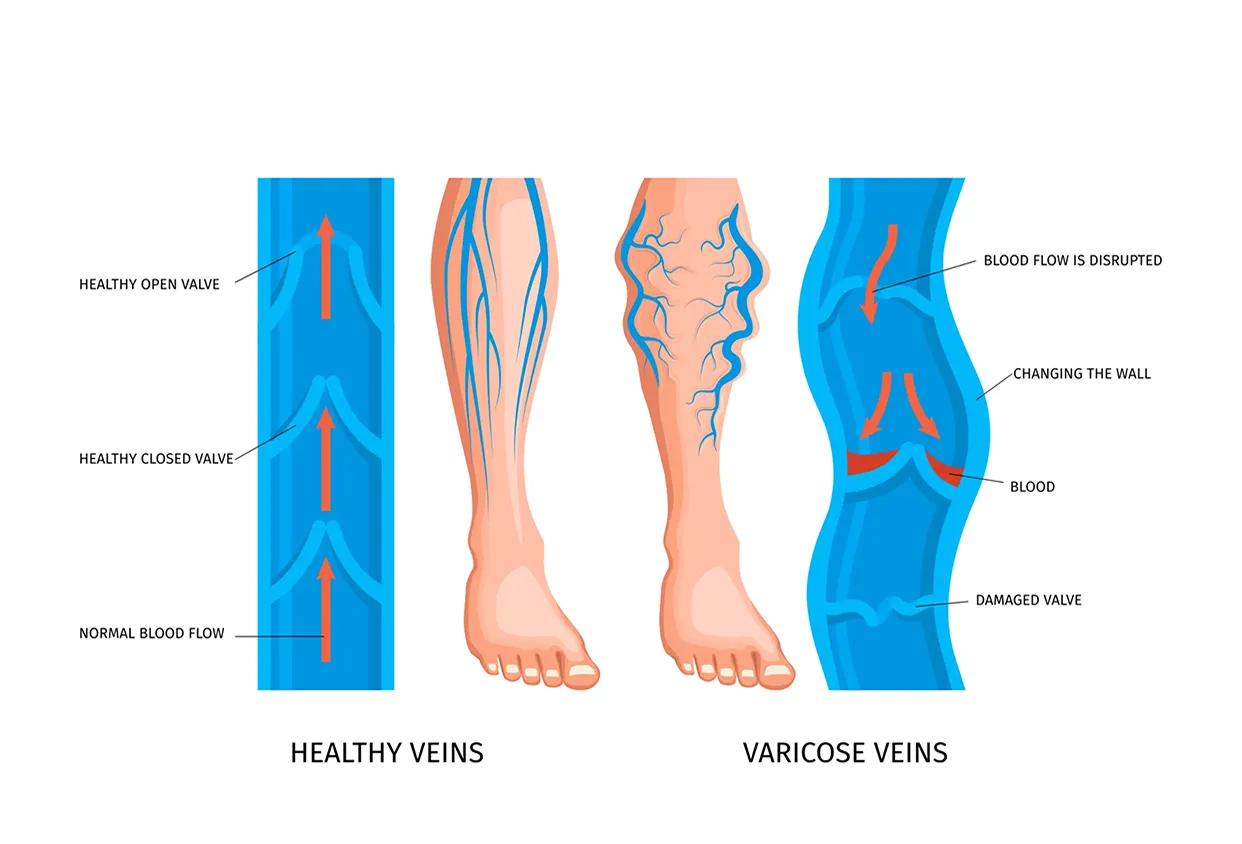
Varicose veins are swollen, raised veins that are commonly found on the legs, ankles, and feet. Spider veins are wispy, red, purple, or blue veins that can be found on the legs, ankles, and sometimes on the face. Varicose veins treatment seeks to remove the unsightly veins for smoother, more youthful legs.
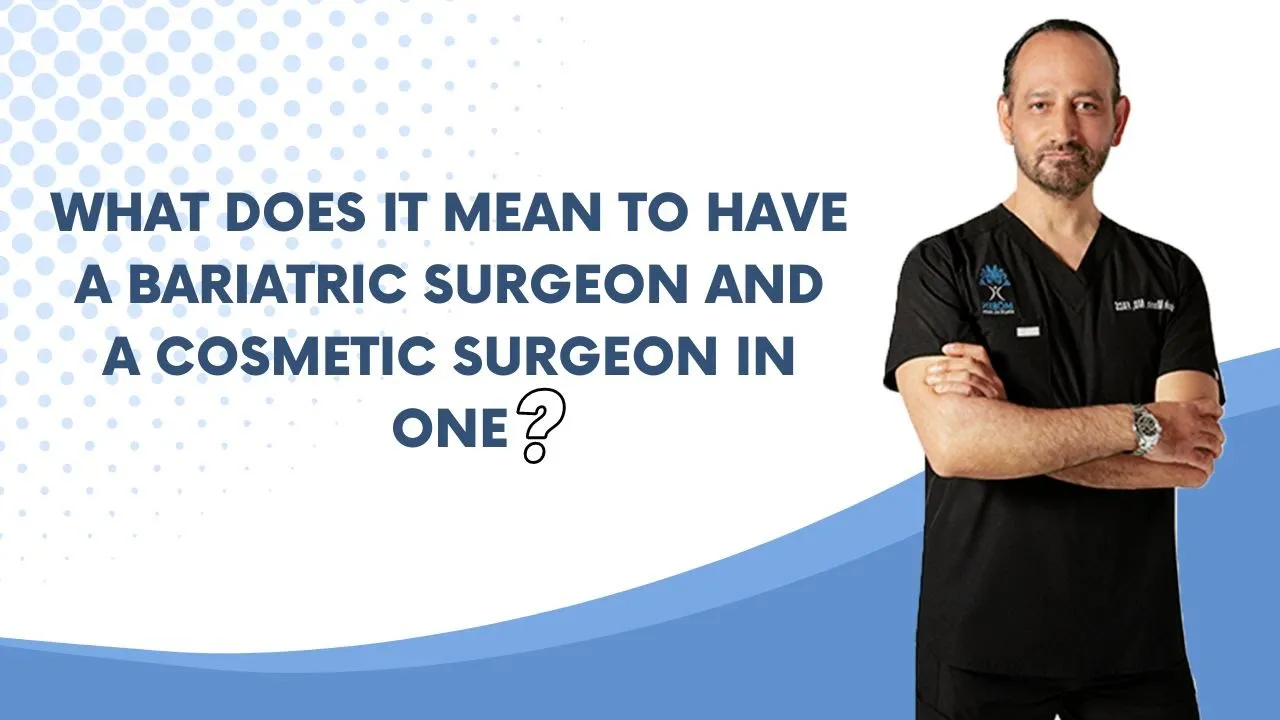
Booking A Consultation with a Top Weight Loss Surgeon Los Angeles
Will Your Insurance Cover Bariatric Surgery?
Lose weight, & good things happen!
Lose 20 pounds, and acid reflux reduces
Lose 30 pounds and blood pressure drops
Lose 40 pounds, and diabetes improves
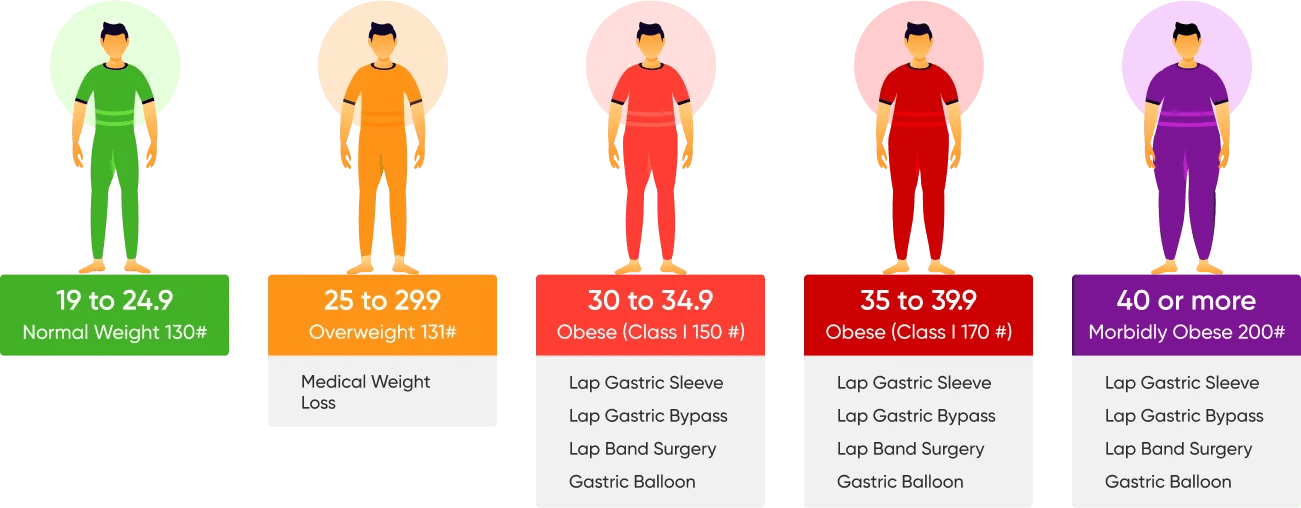
Obesity is a disease that occurs when a person carries excess weight or body fat that might affect their health. Obesity is measured medically by your body mass index or BMI. People are generally considered to be obese when they have a BMI of thirty or more. Here is Weight Loss Surgery FAQs
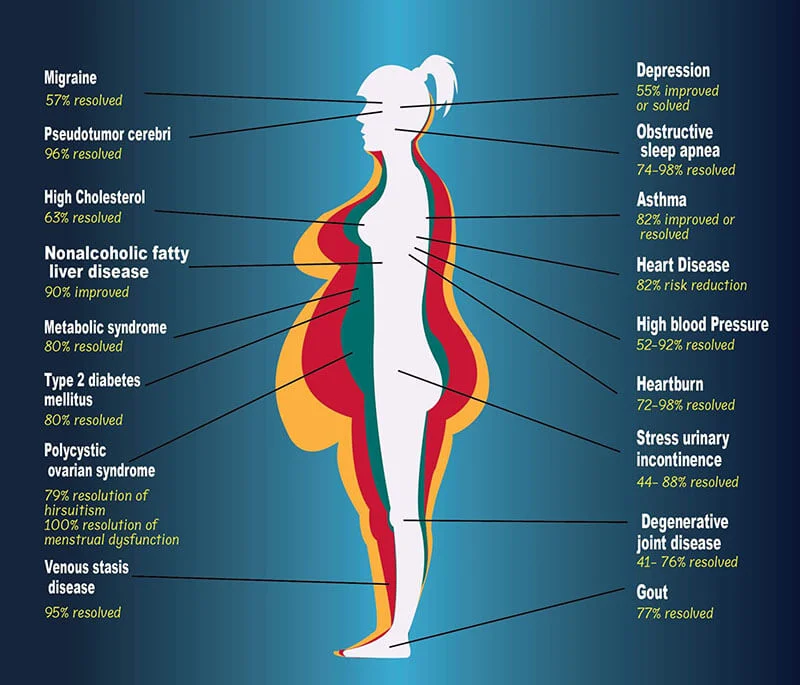
Bariatric surgery isn’t just designed to help you lose the excess weight quickly and effectively. Weight loss surgery has also been shown to be effective at resolving many obesity-related conditions like type 2 diabetes, heart disease, high blood pressure, and others. Many bariatric surgery patients also report taking fewer medications to treat their obesity-related conditions.
Obesity is caused by consuming more calories than you burn off through regular movement and exercise. Obesity doesn’t happen overnight. It occurs over time through unhealthy dietary and exercise habits. Our bodies use the food we eat as sources of energy. If you consume high amounts of energy, particularly fats and sugars, but do not burn the energy off through physical activity, the surplus energy will be stored by the body as fat. Over time, increasing weight gain can lead to obesity. In some cases, underlying medical conditions may contribute to weight gains, such as an underactive thyroid gland (hypothyroidism) and Cushing’s syndrome, which is a rare disorder that causes an overproduction of steroid hormones. Medications for epilepsy and diabetes can also contribute to obesity, as can the weight gain typically associated with smoking cessation.
Candidates typically have a BMI of 40 or higher or a BMI of 35 with obesity-related health conditions like diabetes or high blood pressure.
Weight loss varies depending on the procedure and individual factors, but patients typically lose 50-70% of their excess weight within the first 1-2 years.
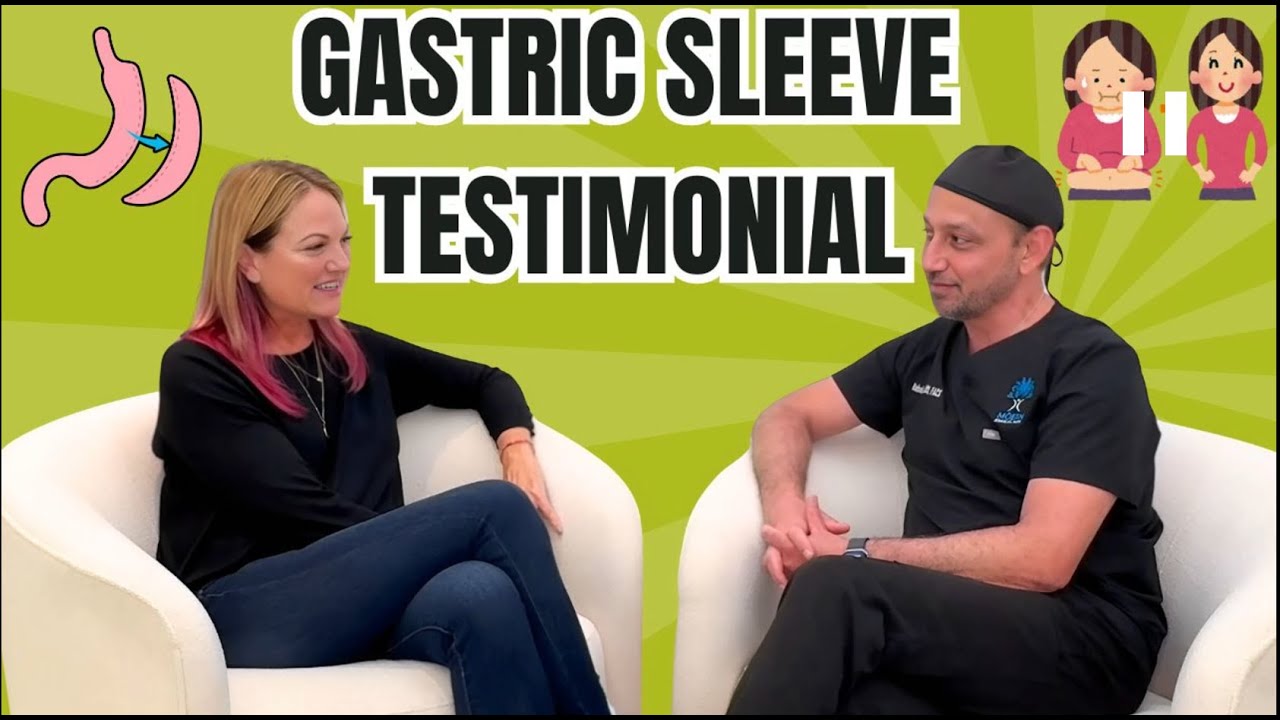
Gastric sleeve surgery, also known as sleeve gastrectomy, is a weight loss procedure where a large portion of the stomach is removed, leaving a small, sleeve-shaped stomach. This reduces the amount of food you can eat and helps with weight loss.
Recovery typically takes 3-6 weeks. Most patients can return to normal activities within 4-6 weeks, but full recovery may take a few months.
The cost of gastric sleeve surgery can vary widely depending on factors such as location, the surgeon's expertise, the healthcare facility, and whether the procedure is covered by insurance. This fee often includes pre-operative evaluations, surgical fees, anesthesia, and post-operative follow-ups. For those without insurance coverage, financing options or payment plans may be available to make the procedure more affordable.
 Lose Weight & Improve Your Health!
 Receive Customized Weight Loss Plan!
 Take Advantage of Our Early Signup Bonus!
 Save Money $$$ with Good Faith Discount!
 Discover Our 0% Interest Financing Options!
 Transparent Pricing: All-Inclusive Package!